
The Neighbourhood, Development and International Cooperation Instrument (NDICI) – ‘Global Europe' that entered into force on 14 June 2021, provides the new framework for EU external action worldwide.
In particular, it helps the European Commission to act as first responder to foreign policy needs and opportunities, focusing on building alliances and leveraging the EU’s influence abroad.
Actions under this instrument contribute to achieving the European Commission’s general objective of “A stronger Europe in the world”, with three specific objectives, notably helping to ensure that :
- the EU’s interests, values and standards have a positive impact on the life of citizens in partner countries
- political partnerships and new alliances contribute to the rules-based multilateral global order
- the EU is an influential global player and reliable partner
A fast and flexible foreign policy tool widening the scope of the EU's action abroad
Building on the successful work of the EU’s Partnership Instrument in 2014-2020, the Foreign Policy Needs Component of NDICI- Global Europe’s Rapid Response pillar provides an essential framework to support actions that address the Union’s foreign policy needs and priorities and require fast and flexible action.
Actions under the Foreign Policy Needs Component of NDICI-Global Europe will until 2024 co-exist with ongoing work under the Partnership Instrument, which closed its funding window in 2020. Projects with Partnership Instrument funding approved between 2014 and 2020 will continue to be implemented as foreseen, with the last actions being closed in 2024.
Within the Geographic Component of NDICI-Global Europe, the Service for Foreign Policy Instruments helps projecting the external dimension of EU’s internal policies in high income countries. In particular, it will continue working with strategic partners to tackle global challenges and leverage its influence abroad, based on the EU´s and common interests and the idea of a mutual beneficial relationship. Public diplomacy is a key strand of this work.
The Policy Support Facility (PSF) and the Technical Assistance and Information Exchange (TAIEX)-Partnership Instrument are particularly flexible tools for the EU to preserve its interests amidst changing policy priorities.
The role of the Service for Foreign policy Instruments
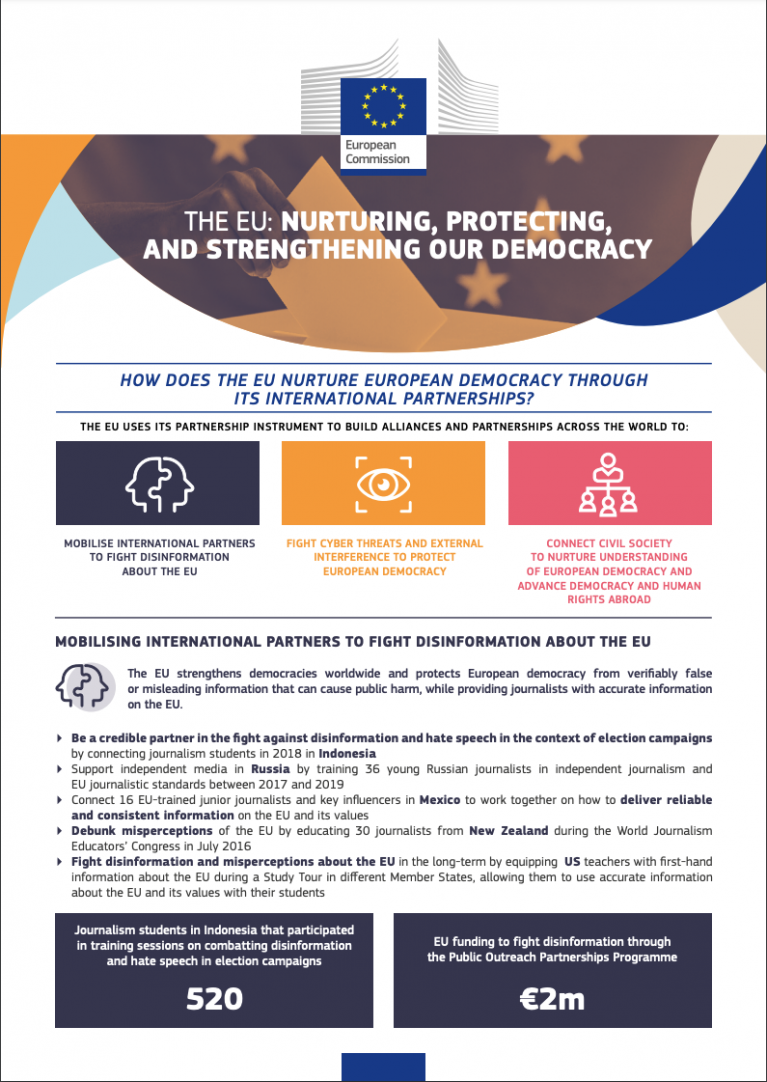
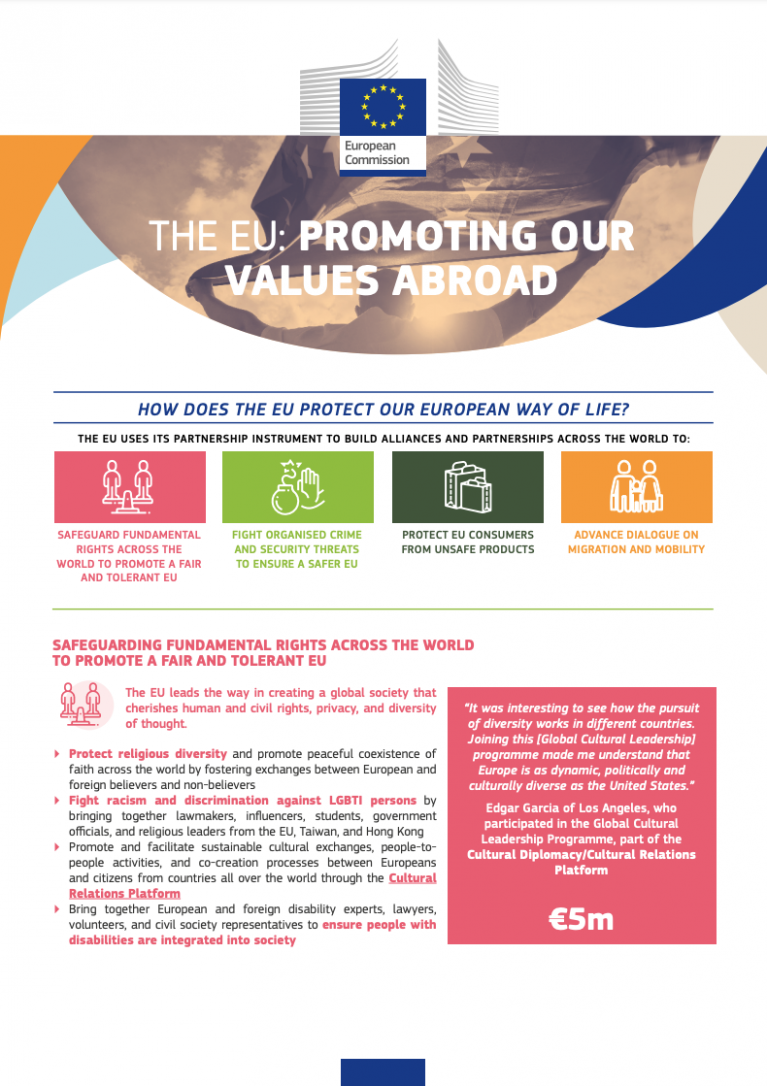
Stronger international alliances and partnerships help the EU weigh in on policymaking in third countries, taking the EU interest as the starting point. FPI is working hand in hand with the European External Action Service and the Commission services concerned, based on the six Commission priorities, the Global Strategy for the EU’s Foreign and Security Policy and the 2030 Agenda and the Sustainable Development Goals. Through alliances and partnerships pushing for EU’s interests and priorities, FPI helps funding the initiatives that put EU foreign policy into action, at the service of EU citizens and businesses.
The Service for Foreign Policy Instruments is responsible for the identification, formulation and subsequent operational and financial implementation of these actions. They may cover any area of EU interest, including trade negotiations, policy dialogues and political agreements with countries across the globe. They do not need formal agreement from the partner country, and allow to make use, in a flexible manner, of windows of opportunity as these present themselves. These actions help creating a level playing field and identifying business opportunities for EU operators. Public diplomacy is a key strand of this work.
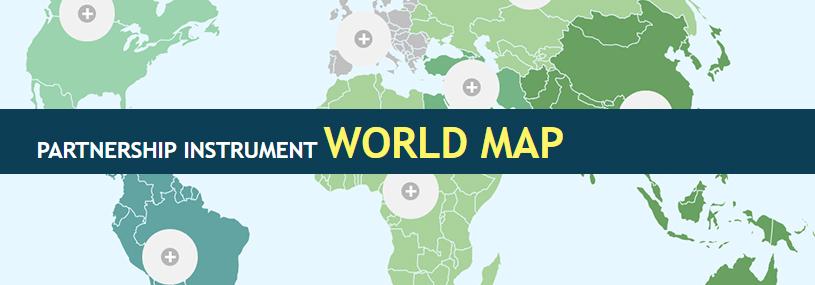
Find out more about how the EU advances its interests and builds partnerships across the world for the benefit of EU citizens and businesses.